
Our STEM Programs
-
Our programs are designed with the grantee in mind. We provide a direct path to obtain funding for organizations seeking programmatic support for STEM education at all levels. Explore each program below to find detailed eligibility and submission information. We do not expect Organizations to meet all criteria. The programs were created to provide a wide range of funding options. Organizations can meet as little as one criteria if they are able to show a unique aptitude in the development and proven outcomes of the program for which they are requesting funding.
-
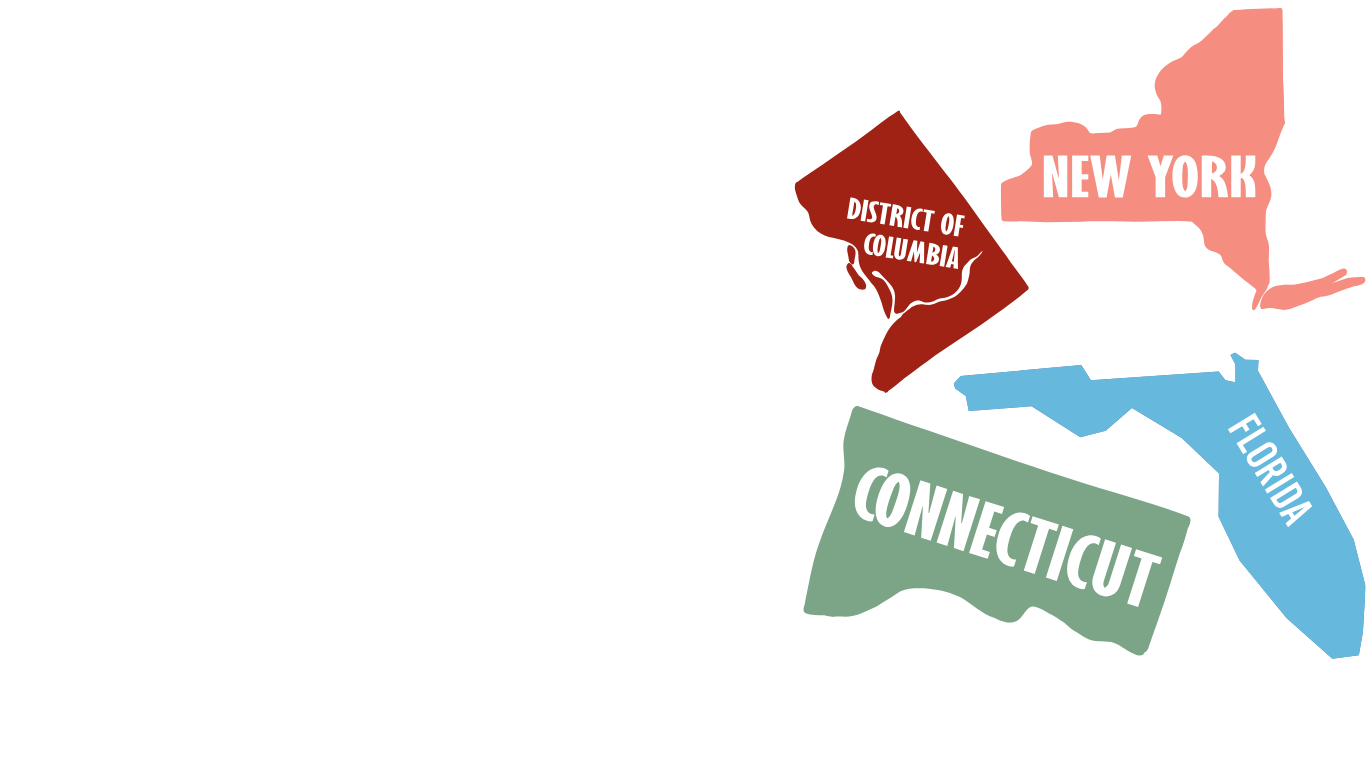
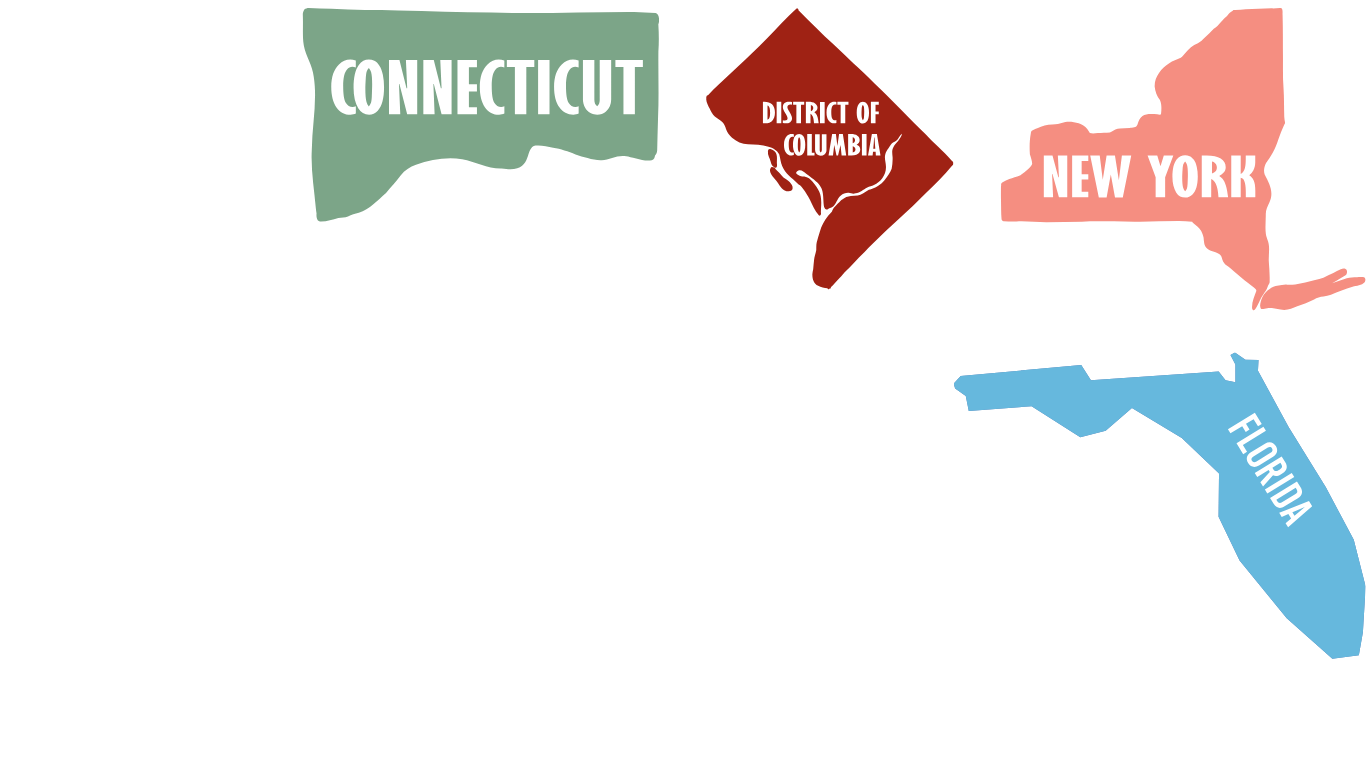
STEM Sprouts - K - 8th Grade STEM Programs (FL, NY, CT & DC Only as of 2027)
STEM Stars - Advanced, Non-Remedial STEM for 9th - 12th Grade
STEM Scholars - STEM programs for and benefiting College and Post-Secondary Students
Teen-Tech - Grants to fund Tech Competitions
-
Mr. Bailey believed in education and knew that a strong U.S. economy wasn’t possible if we didn’t have an educated workforce. Mr. Bailey believed in the importance of STEM careers and an entrepreneurial spirit to help American’s solve our most pressing issues pertaining to STEM.

STEM Sprouts Program Outline
For Organizations with an operating address located in Florida, Connecticut, Washington, D.C., or New York - Our Early Education STEM (Science, Technology, Engineering, and Mathematics) program is designed to fund organizations that introduce students, grades K - 8th, to foundational STEM concepts and skills. Such programs should aim to foster curiosity, critical thinking, problem-solving, and a love of STEM learning. We will prioritzie programs and organizations that provide students with multiple opportunities for continued learning throughout their educational journey.
Programs should meet some or all of the following objectives:
1. Hands-On Learning: STEM education for children should emphasize hands-on, experiential learning. This means providing opportunities for students to engage with materials, conduct simple experiments, build structures, and solve age-appropriate problems.
2. Age-Appropriate Curriculum: The curriculum should be tailored to suit the developmental stages and abilities of students. Concepts should be introduced in an accessible, engaging way, focusing on concrete experiences.
3. Play-Based Approach: STEM programs could incorporate play-based activities that integrate STEM concepts. For instance, building with blocks can introduce engineering principles, while exploring nature can teach basic biology. That said, we hope to partner with organizations that go beyond these basic STEM principles and build on foundational concepts to push the limits of what we can expect from students through guided inquiry. Students should be encouraged to ask questions and explore answers, which promotes critical thinking and problem-solving skills.
5. Use of Technology: Technology may be introduced in age-appropriate ways. This could include educational applications, simple coding activities, or interactive simulations.
6. Parent Involvement: Parents play a crucial role in supporting STEM education at an early age. Programs are encouraged to provide resources and guidance to help parents continue STEM learning at home.
7. Professional Development: We encourage teachers and educators working in STEM-focused programs to pursue specific training and continuing education courses to implement these curricula effectively. We will accept applications for continuing education and professional development seminars and classes.
8. Resources: Adequate resources and materials should be available to support STEM activities. This includes access to educational materials, equipment, and age-appropriate books.
Early Education STEM programs can have significant benefits, including preparing children for future STEM-related careers, fostering a love for learning, and developing essential skills for success in the 21st century. When well-designed and implemented, these programs can be both enjoyable and educational for young learners and will help to launch a lifelong aptitude in STEM subjects.
We do not expect Organizations to meet all of the above criteria. The program outline was created to give a wide range of funding options. Organizations can meet as little as one criteria if they are able to show a unique aptitude in the development and proven outcomes of the program for which they are requesting funding.

STEM Stars Program Outline
These are high-level, cutting-edge STEM programs for classes or individuals who show a very high aptitude for STEM studies. This program is not to support remedial STEM initiatives. A STEM Stars grant can help to support or expand advanced STEM programs for students who want to pursue a college degree in a STEM-related field.
Organizations that have invested in careful planning and consideration of various elements of their STEM program who are providing students with a comprehensive and engaging educational experience and who meet some or all of the below objectives should apply:
1. Basic Objective: The supported programs’ primary goals should include but are not limited to, fostering a love for STEM, preparing students for college majors and careers in STEM fields, and promoting problem-solving and critical thinking skills.
2. Curriculum Development: A well developed rigorous and integrated STEM curriculum that aligns with national and state standards and could offer a mix of core STEM subjects that integrate hands-on, project-based learning to encourage students to apply their knowledge and solve real-world problems.
3. Specialized Tracks: Programs that offer specialized tracks within their existing framework, such as computer science, biomedical science, environmental science, or robotics. The tracks can be based on student interests and/or local industry demands and should include interdisciplinary courses that emphasize the connections between STEM disciplines and careers.
4. Highly Qualified Teachers: Programs that emphasize hiring and retaining experienced, certified STEM teachers who are passionate about their subjects and skilled in project-based learning methodologies will be prioritized. Programs can include providing ongoing professional development opportunities for teachers to stay current with STEM advancements and teaching methodologies.
5. State-of-the-Art Facilities: Applications with programs that have access to or are building well-equipped laboratories, maker spaces, and technology resources for hands-on experimentation and innovation.
6. Partnerships and Externships: Programs that forge partnerships with local universities, research institutions, and STEM-based companies to provide students with opportunities for internships, mentorships, and real-world experiences.
7. Enrichment Activities: Offer extracurricular activities such as STEM clubs, science fairs, hackathons, and robotics competitions to extend learning beyond the classroom.
8. Parent and Community Engagement: Involve parents and the community in STEM education by hosting events, workshops, and STEM-related family and community activities.
9. College and Career Guidance: Provide college and career counseling services to help students navigate STEM-related educational and career paths.
10. Showcase Achievements: Celebrate student achievements and projects through exhibitions, showcases, and publications to inspire and motivate others.
11. Adapt to Technological Advancements: Stay current with emerging technologies and trends in STEM fields and update the curriculum accordingly.
12. Sustainability: Develop a long-term sustainability plan to ensure the program's viability over time, understanding that the success of funded programs will depend on a collaborative effort involving educators, administrators, parents, and the community. Organizations should be regularly assessing and adjusting their programs to meet the evolving needs and interests of their students.

STEM Scholars Program Outline
Grants will be made to organizations supporting post-secondary students pursuing or interested in STEM degrees or working towards a degree in a STEM-related field. Colleges and Universities that have invested in careful planning and consideration of various elements of their STEM programs that are providing students with a comprehensive and engaging educational experience should apply. Various funding opportunities include options below but are not limited to them:
Review Sessions
Working Groups
Project Presentation Forums
In-House Competitions and Showcases
STEM Clubs
SIAM/AMS Reading Groups
Career Management Counseling Services
Lecture Series
Research Project Funding
Tech Talks
Student Clubs and Organizations
Summer Camps and Organizations
Conferences and Committees
The program outline was created to give a wide range of funding options. Organizations can meet as little as one criteria if they are able to show a unique aptitude in the development and proven outcomes of the program for which they are requesting funding.

Teen Tech Program Outline
Grants will be made to schools and organizations interested in creating, implementing, and participating in a Teen Tech Competition within their school or a partner organization.
The Teen Tech Competition aims to foster creativity, innovation, and problem-solving skills among its participants.
The basic outline of the parameters of the event should include:
Timeframe: The Competition can take place any time of the year and only once per year.
Categories for the Competition:
Software Development
Hardware Design
Robotics
Artificial Intelligence
Cybersecurity
IoT or Internet of Things
Mobile App Development
Game Development
Virtual Reality (VR) or Augmented Reality (AR)
Age Groups:
To ensure fair competition and age-appropriate challenges, create age-specific groups, such as 10-12, 13-15, and 16-18.
Team Size:
Allow participants to compete individually or in teams.
Registration:
Open a registration period well in advance of the competition date. Participants should provide necessary information, such as name, age, contact details, and category of interest.
Competition Phases:
Ideation and Proposal (Pre-Competition): Participants submit project ideas, including a description, goals, and a plan for implementation. Judges evaluate the proposals and select the most promising ones to move forward.
Development Phase: Participants work on their projects. This phase can last for several weeks or months, depending on the complexity of the projects.
Mentorship and Workshops: To help participants enhance their technical skills and refine their projects, offer mentorship sessions and workshops led by experienced professionals.
Midway Checkpoint: Conduct a midway checkpoint where participants present their progress to judges and receive feedback.
Final Presentation: Participants present their completed projects to a panel of judges. This can be done through live presentations or pre-recorded videos.
Judging Criteria:
Establish clear and transparent criteria for judging the projects. Common criteria include:
- Innovation and Creativity
- Technical Complexity
- Practicality and Real-World Application
- Presentation Skills
- Problem-Solving Abilities
- Teamwork (if applicable)
- Originality
Prizes and Recognition:
Offer attractive prizes, certificates, and recognition to winners in each category and age group. Prizes can include tech gadgets, scholarships, internships, or mentorship opportunities.
Sponsors and Partnerships:
Seek sponsorships from tech companies, local businesses, or educational institutions to help cover the costs of organizing the competition and provide additional prizes and resources.
Promotion and Marketing:
Promote the competition through social media, local schools, tech clubs, and relevant online communities. Organizations are encouraged to create a website or online platform for registration and updates.
Timeline:
Plan a timeline for the competition, including registration deadlines, development phases, mentorship sessions, and the final presentation date.
Event Day:
Coordinate the final presentations either in person or virtually, depending on the circumstances. Invite the finalists and judges, and ensure a smooth and fair evaluation process.
The competition outline was created to give a wide range of ideas and options. Organizations can meet some or all criteria if they are able to show a unique aptitude in the development and proven outcomes of their competition for which they are requesting funding.