
Restoring Education, Inspiring Discovery: How Our Grantee Rebuilt and Reconnected After Hurricane Ian
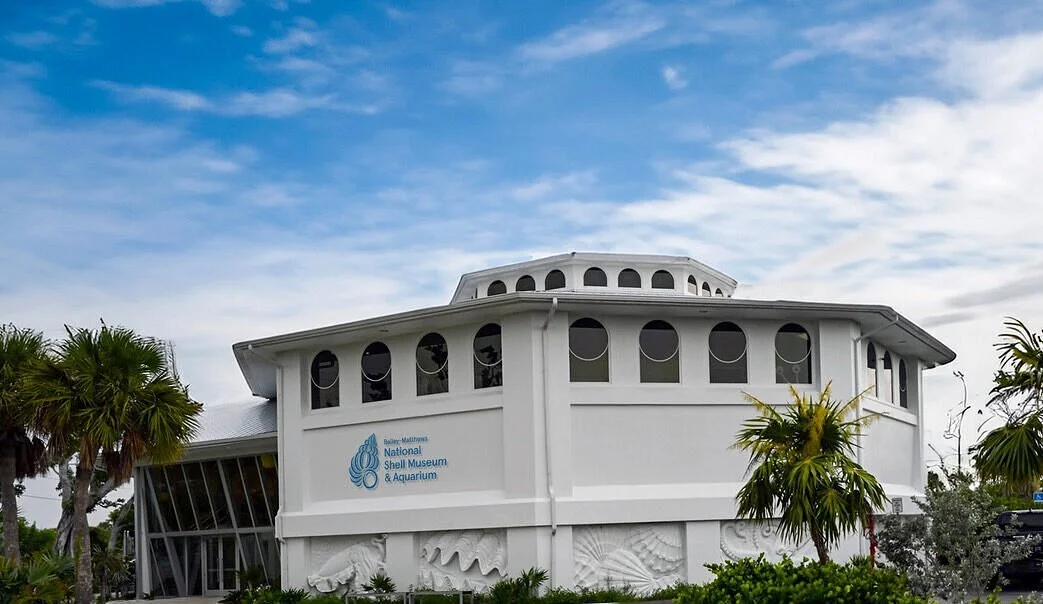
In the aftermath of Hurricane Ian (2022), Southwest Florida faced extraordinary challenges. Cultural and educational institutions were among those heavily impacted, including one of our valued grantees—the Bailey-Matthews National Shell Museum & Aquarium—which sustained major damage and was forced to pause exhibitions and programming during the rebuilding process.
Through grant support, the Museum has successfully re-launched its temporary exhibitions and restored its full scope of educational programming, helping the region reconnect with its rich coastal environment while advancing science education for learners of all ages.
A Return to Learning and Discovery
The grant enabled the Museum to deliver high-quality science education to more than 80,000 people to date, renewing public access to hands-on learning about marine ecosystems, mollusks, and conservation.
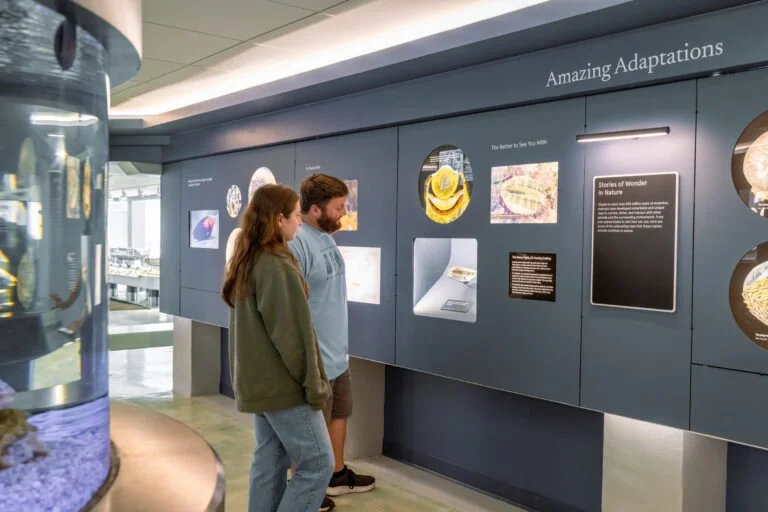
Five new temporary exhibitions opened in late 2024 and 2025, bringing fresh energy and engagement to the rebuilt facility. Highlights included:
“A Wondrous Phenomenon: Truth and Legend of the Giant Squid” – exploring the biology of the world’s largest invertebrate alongside the myths it inspired.
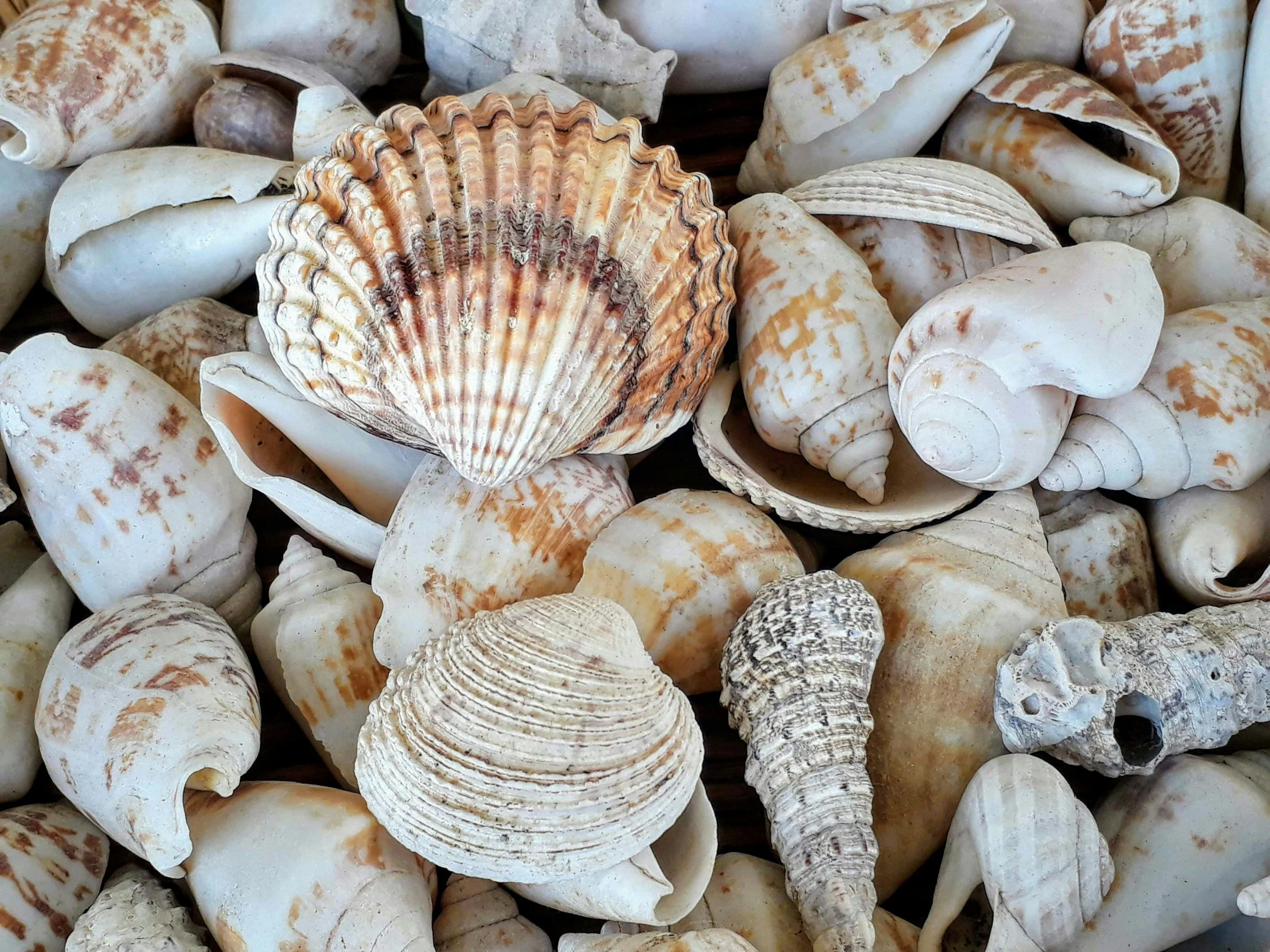
“All That Glitters is Not Gold: Amazing Abalone Shells” and “Paradise Found: Seashells of the Caribbean” – focused exhibits showcasing the diversity of shell species and the environmental factors that shape them.
Photography exhibitions such as “The Search for Something Different” and “Brilliant Colors of the Sea: Nudibranchs and Their Relatives,” spotlighting coastal ecosystems and lesser-known marine life.
More than 64,000 visitors have already experienced these exhibitions, with attendance continuing to grow.
Rebuilding Educational Programs That Reach the Community
A central goal of the project was restoring the Museum’s role as a hub for STEM education. Today, its programs once again connect learners directly to science and the natural world:
Lecture Series Relaunched: Eight expert-led lectures in 2025—offered both in person and online—covered topics from Florida shellfish aquaculture to coastal ecology and environmental history, reaching more than 700 participants.
Field Education Expanded: Guided beach walks and community science initiatives engaged 540 participants in hands-on exploration while collecting valuable ecological data.
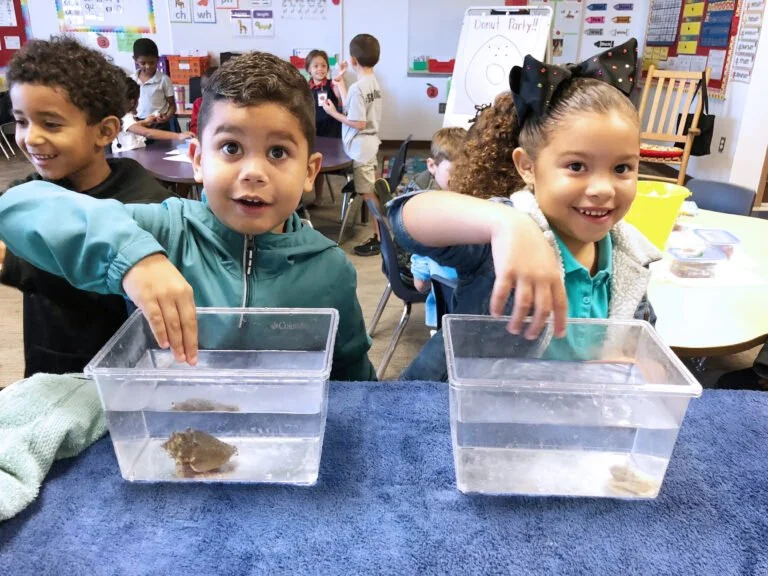
K–12 Programs Fully Restored: Field trips resumed in mid-2025 for the first time since the storm, alongside the traveling “Mollusks on the Move” outreach program. These offerings—aligned with state curriculum standards—have already served a record 14,490 students this year.
These programs provide students with interactive experiences such as live animal encounters, shell identification, and educational activities that complement classroom learning.
Supporting Regional Recovery Through Education
Three years after Hurricane Ian, recovery in communities such as Fort Myers Beach, Sanibel, and Pine Island is estimated at about 70% complete. The Museum’s reopening represents an important milestone—not only for cultural renewal but also for environmental education tied to the region’s identity and resilience.
Our grantee credits philanthropic partnerships, including support from our Foundation, as essential to rebuilding stronger, improving facilities, and restoring programming that benefits both residents and visitors.
Looking Ahead: Growth and Greater Impact
The Museum is now focused on expanding its reach and ensuring long-term sustainability through a blend of earned revenue, philanthropy, and continued community engagement.
Plans for the future include:
Increasing capacity for K–12 programs—currently capped at approximately 15,000 students annually—by adding vehicles and staff beginning in 2026.
Expanding the lecture series from 8 to 12 events per year while maintaining hybrid access.
Growing community science initiatives to deepen hands-on participation and data collection.
Maintaining a dynamic schedule of 3–5 temporary exhibitions annually to provide ongoing educational variety.
Advancing the Mission of Science and Stewardship
The Museum’s mission—to educate and inspire understanding of mollusks, their shells, and their habitats through exceptional experiences and science—has been powerfully reaffirmed through this recovery effort.
By helping restore this institution after Hurricane Ian, the Foundation has supported more than rebuilding a facility. Together, we have helped reignite curiosity, strengthen environmental awareness, and reconnect thousands of learners with the coastal ecosystems that define Southwest Florida.
