Taking Science Outside
How the North Carolina Museum of Life and Science is Inspiring Young Learners Through Outdoor Exploration and Hands-On STEM Experiences
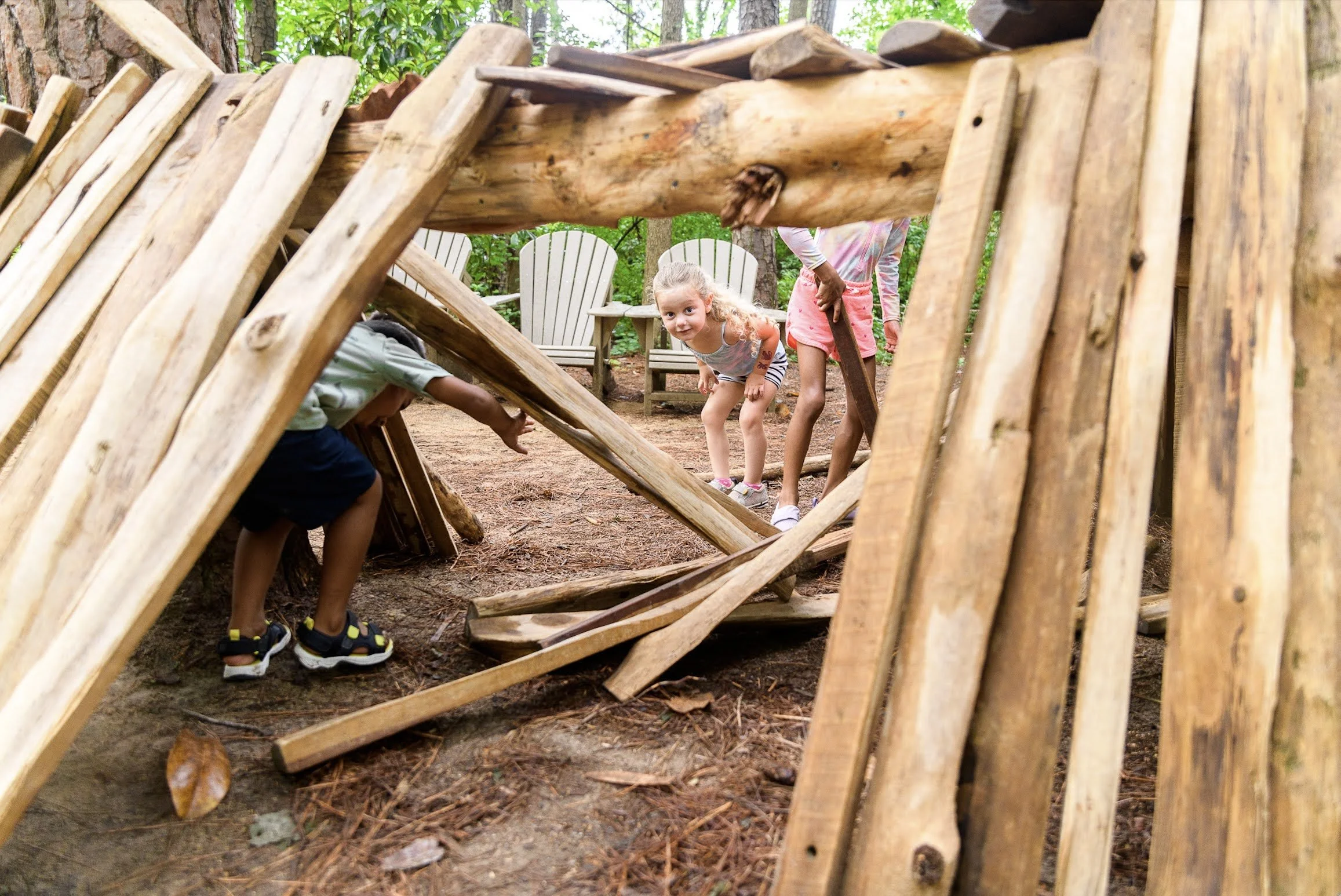
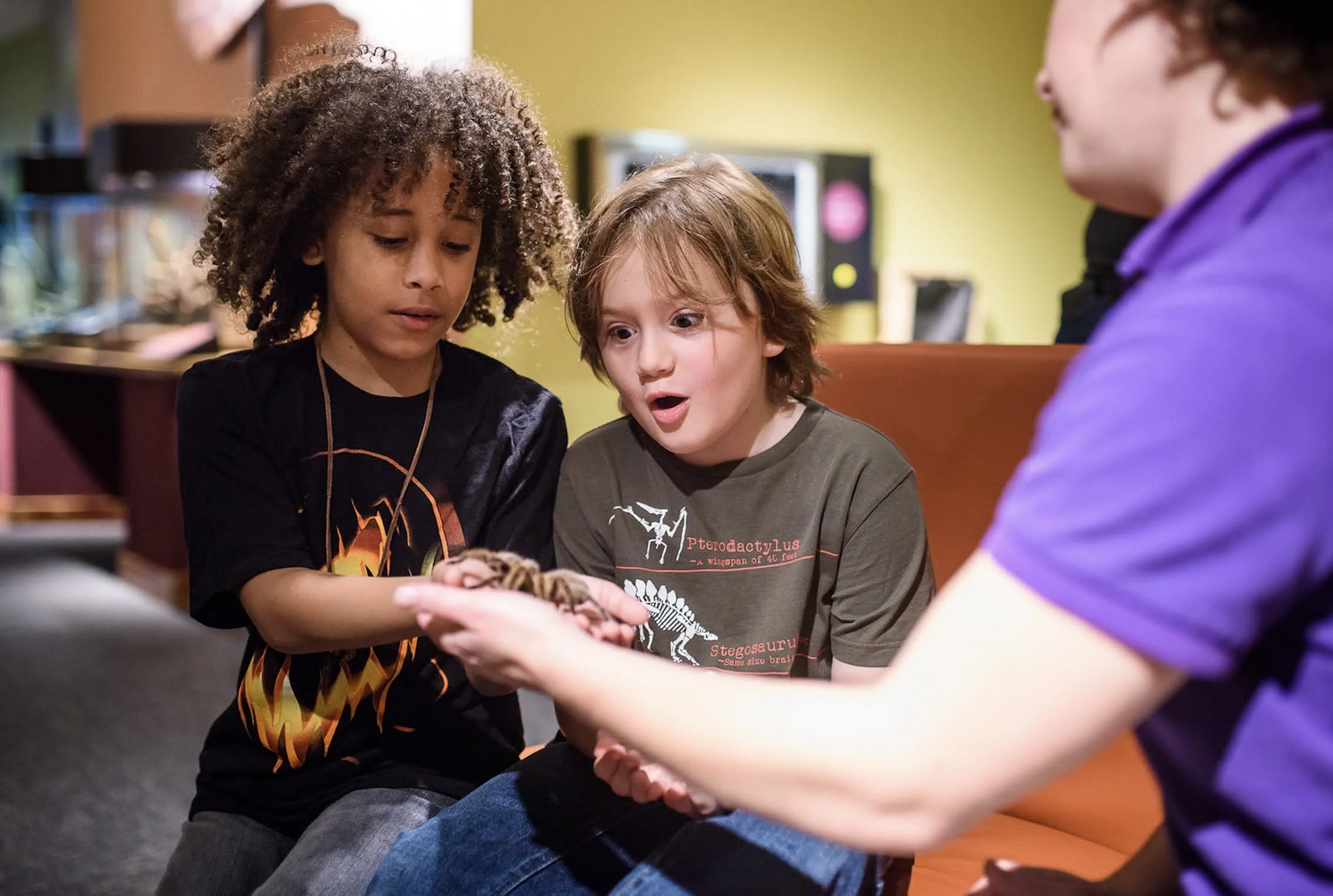
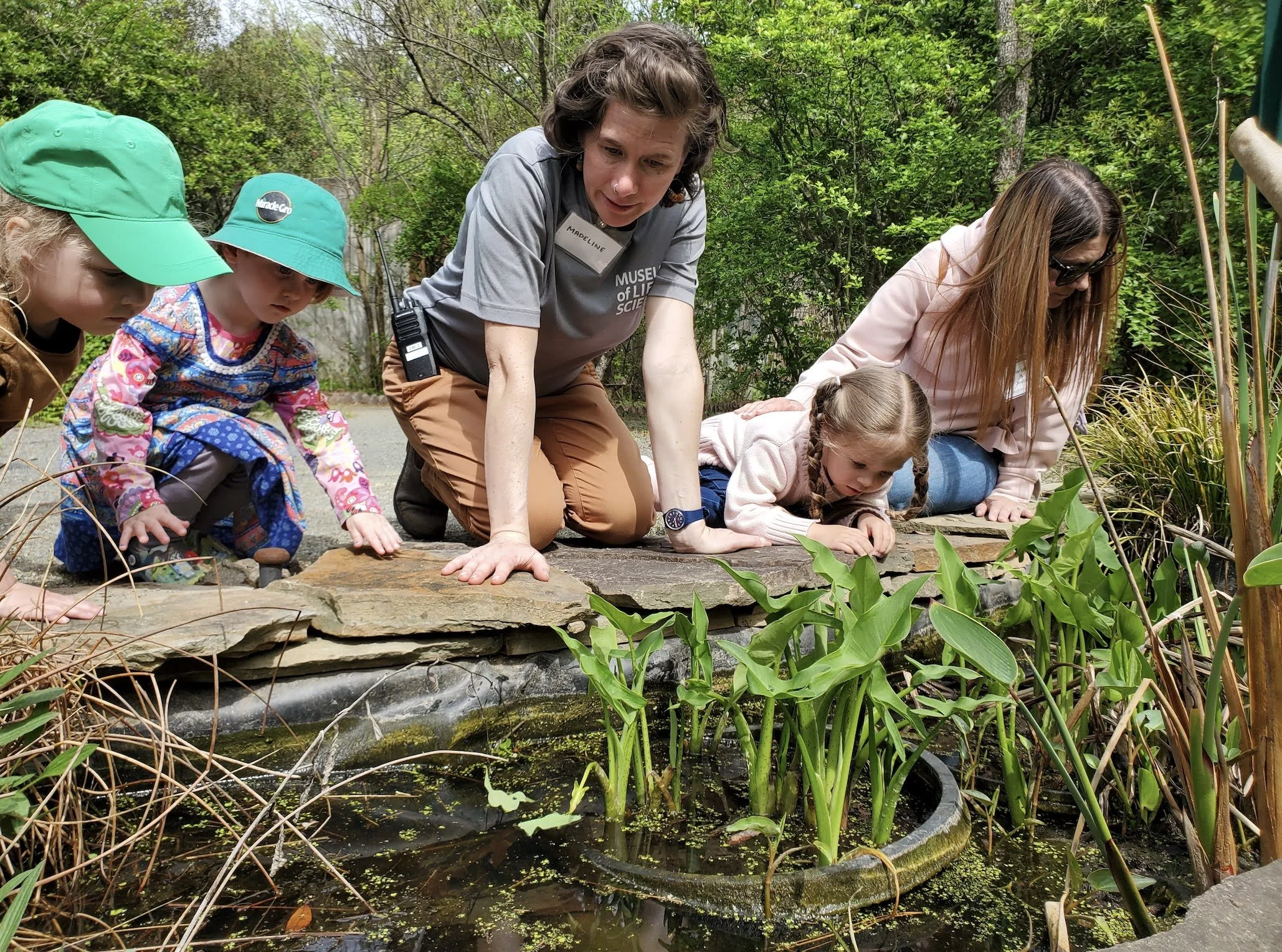
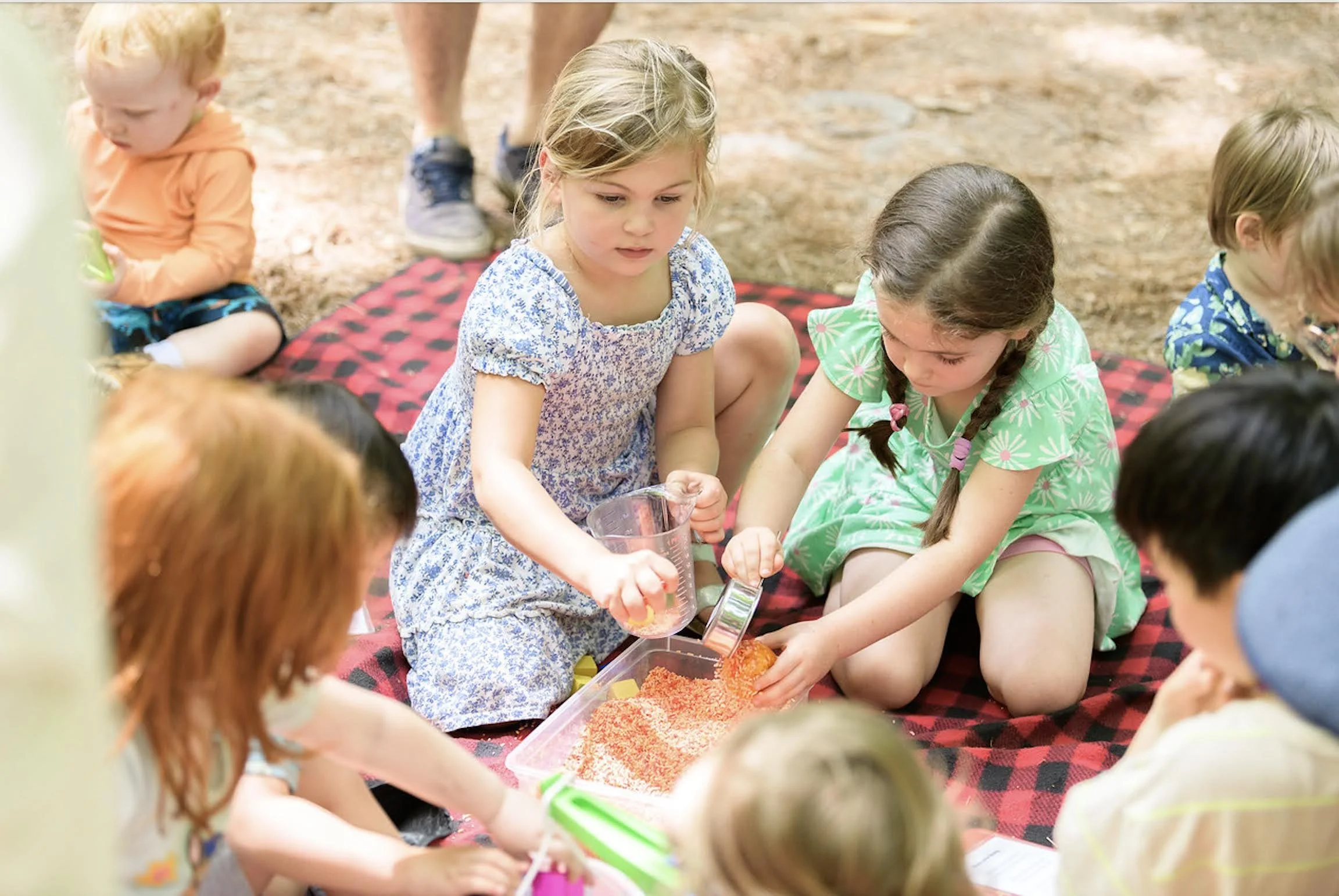
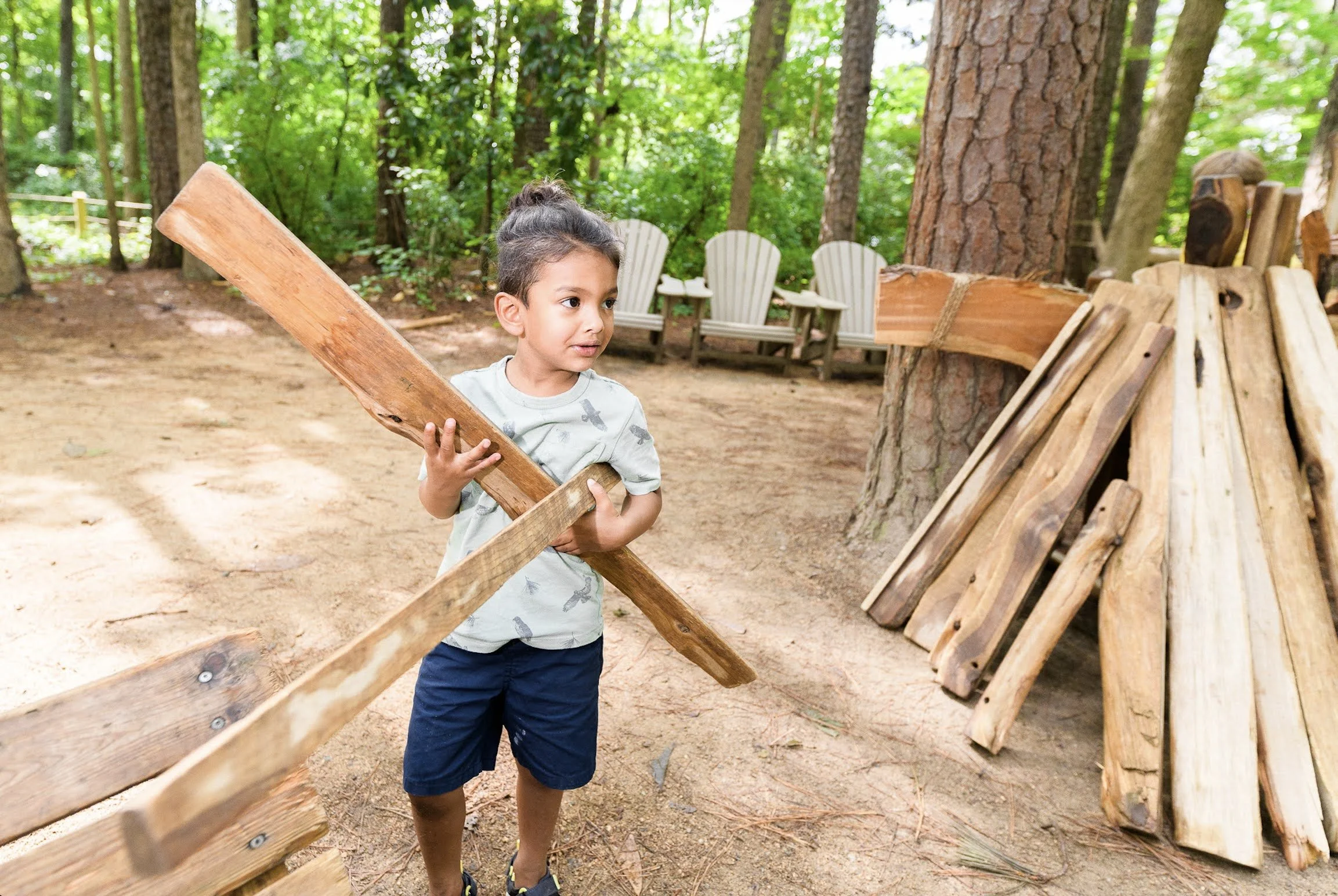
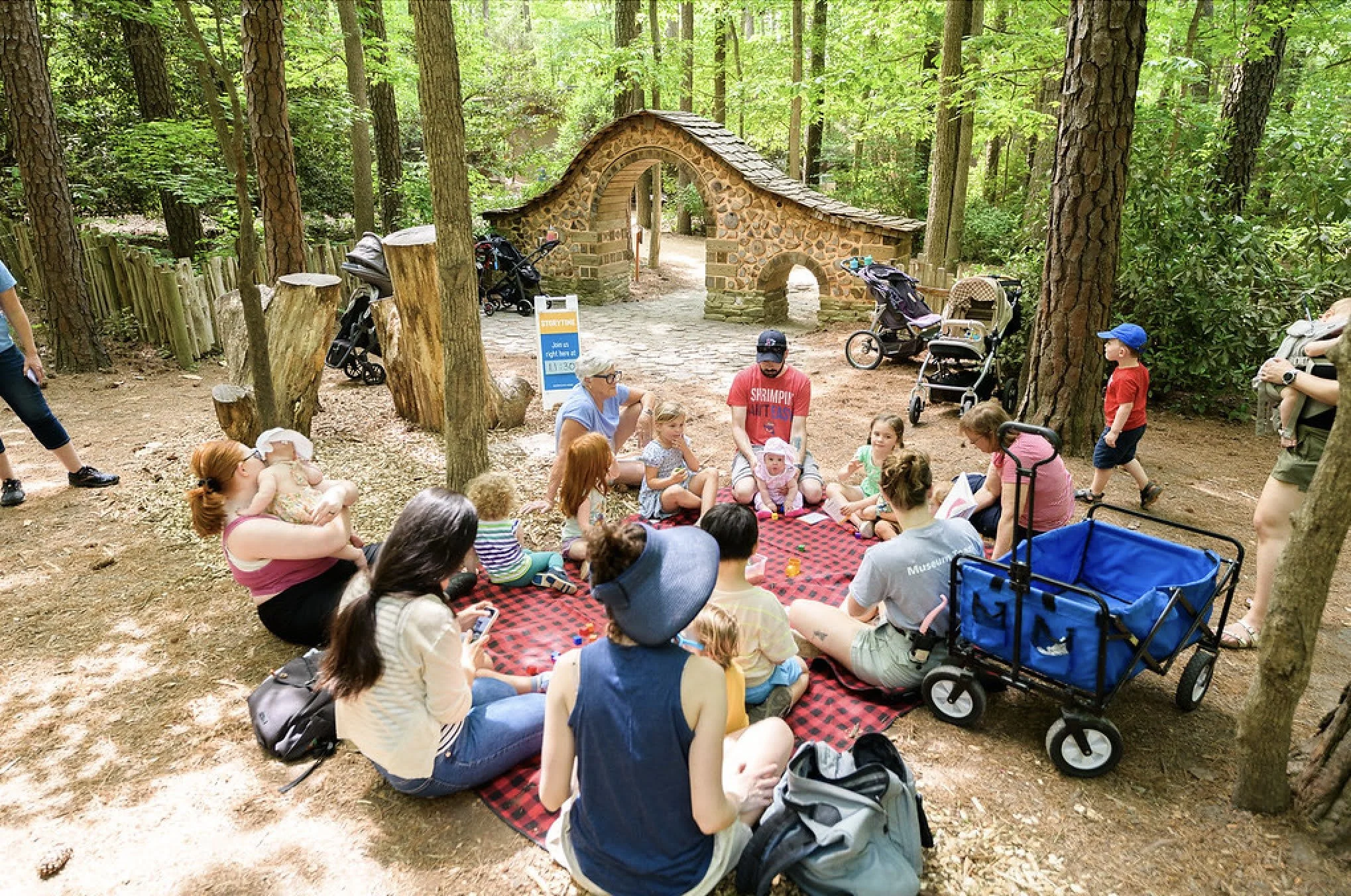
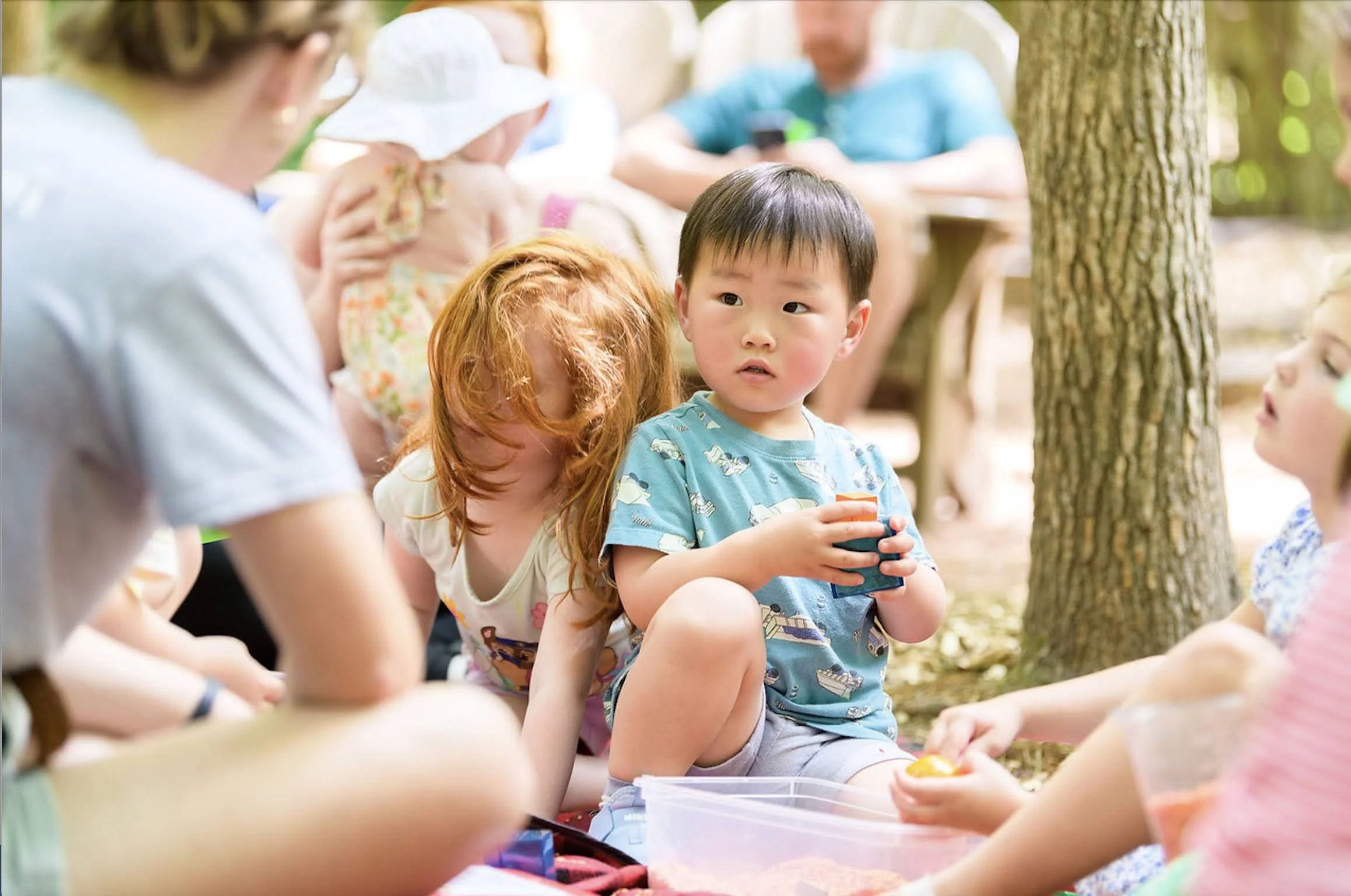
The North Carolina Museum of Life and Science continues to make a meaningful impact on young children and families through its “Take Science Outside” initiative — an engaging early childhood program designed to spark curiosity, creativity, and a lifelong love of learning through outdoor STEM exploration. Supported through the Glenn W. Bailey Foundation STEM Sprouts grant program, the initiative provides weekly hands-on learning experiences for children ages 6 and under and their caregivers.
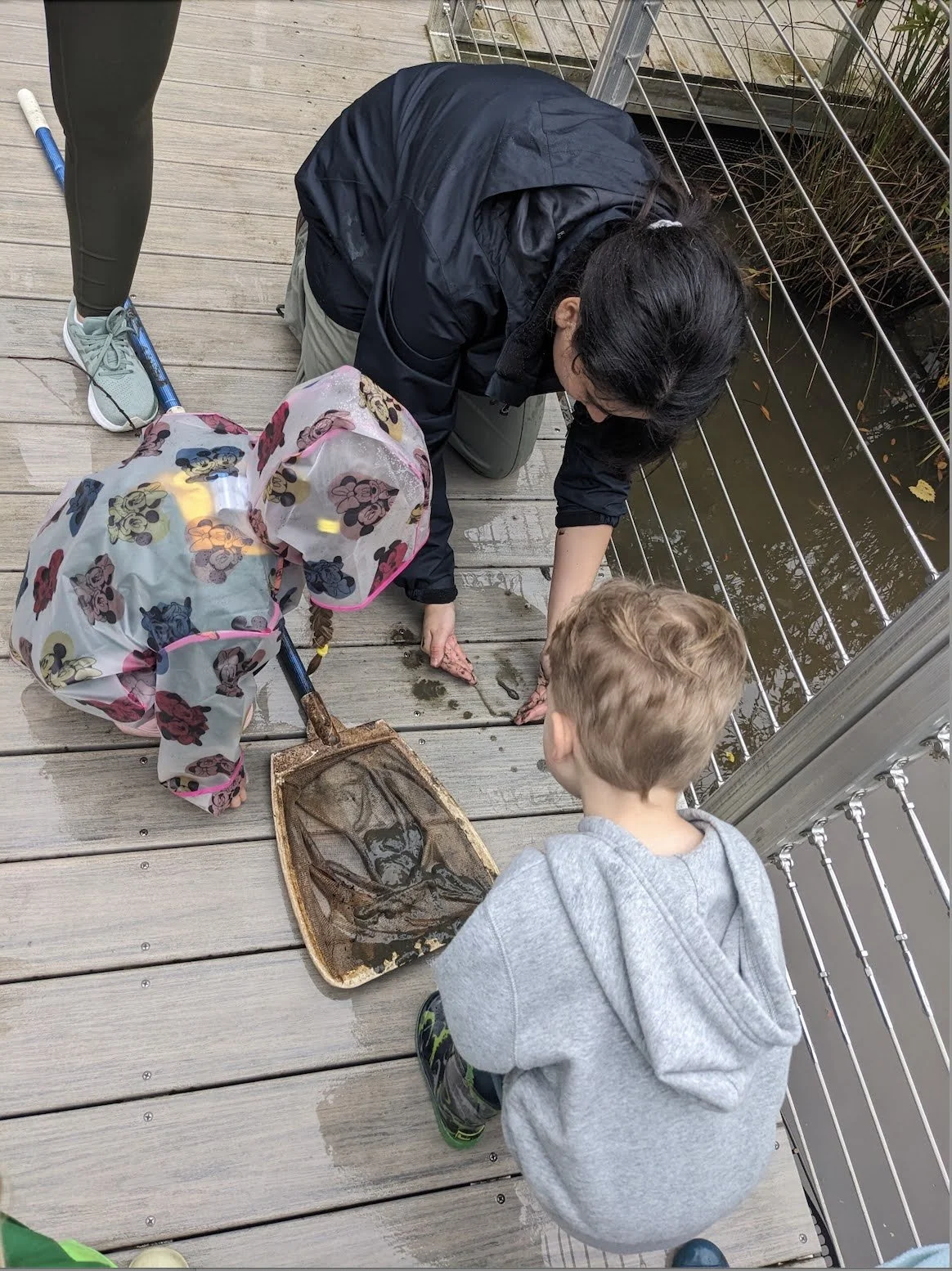
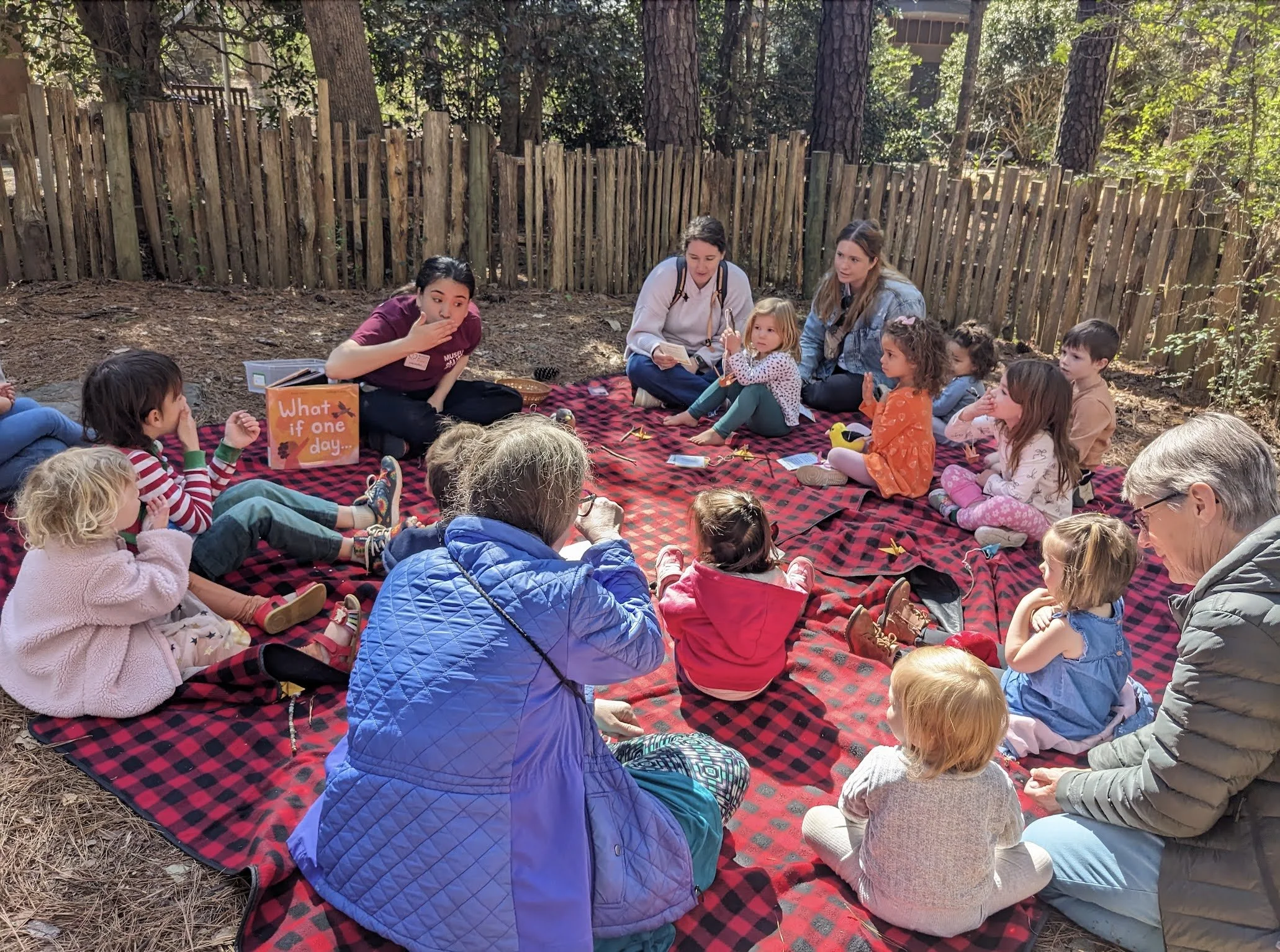
Throughout 2025, families participated in a variety of inquiry-based activities focused on science, literacy, sensory exploration, engineering, and outdoor discovery. Programs invited children to build boats from natural materials, investigate seeds, participate in interactive story times, and create nature-inspired art projects. Led by experienced early childhood educators, each activity encouraged children to ask questions, experiment, collaborate, and build confidence through play-based learning.
The response from the community exceeded expectations. From May through December 2025, the Museum delivered more than 200 early childhood programs, reaching over 5,000 participants. Approximately half of these programs were supported through the Glenn W. Bailey Foundation’s STEM Sprouts funding, directly impacting more than 2,500 children and caregivers. Monthly participation consistently ranged between 650 and 1,200 visitors, demonstrating the strong community demand for accessible, high-quality STEM learning opportunities.
A central goal of “Take Science Outside” was expanding access for families facing financial barriers. Programs were regularly offered during the Museum’s free Durham Community Days and through the Ignite Learning program, which provides memberships and STEM opportunities for low-income families. Attendance during these free-access opportunities was especially strong, highlighting the importance of equitable access to enriching educational experiences.
Program evaluations revealed overwhelmingly positive outcomes. Observations showed children actively engaged in critical thinking, problem-solving, teamwork, and scientific inquiry:
95% of observed programs demonstrated children “making use of methods”
90% showed children asking meaningful questions
86% reflected collaborative learning and teamwork
Caregiver feedback was equally inspiring:
100% reported meaningful connections with their children during programs
98% described the experiences as positive social opportunities for their children
100% gained ideas for STEM learning activities to continue at home
100% reported increased confidence supporting outdoor learning experiences
More than simply teaching science concepts, “Take Science Outside” is helping families build stronger relationships, confidence, and joyful learning routines during children’s most formative years. The skills developed through these experiences — including foundational literacy, critical thinking, creativity, and scientific inquiry — help prepare children for lifelong learning and success.
Thanks to the continued success of the program, these outdoor STEM experiences will continue in the coming year, inspiring even more young learners to explore, discover, and connect with the world around them.