American Cancer Society: Building the Future of Cancer Research
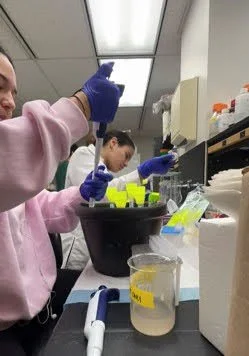
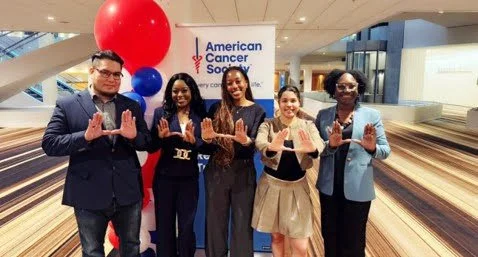
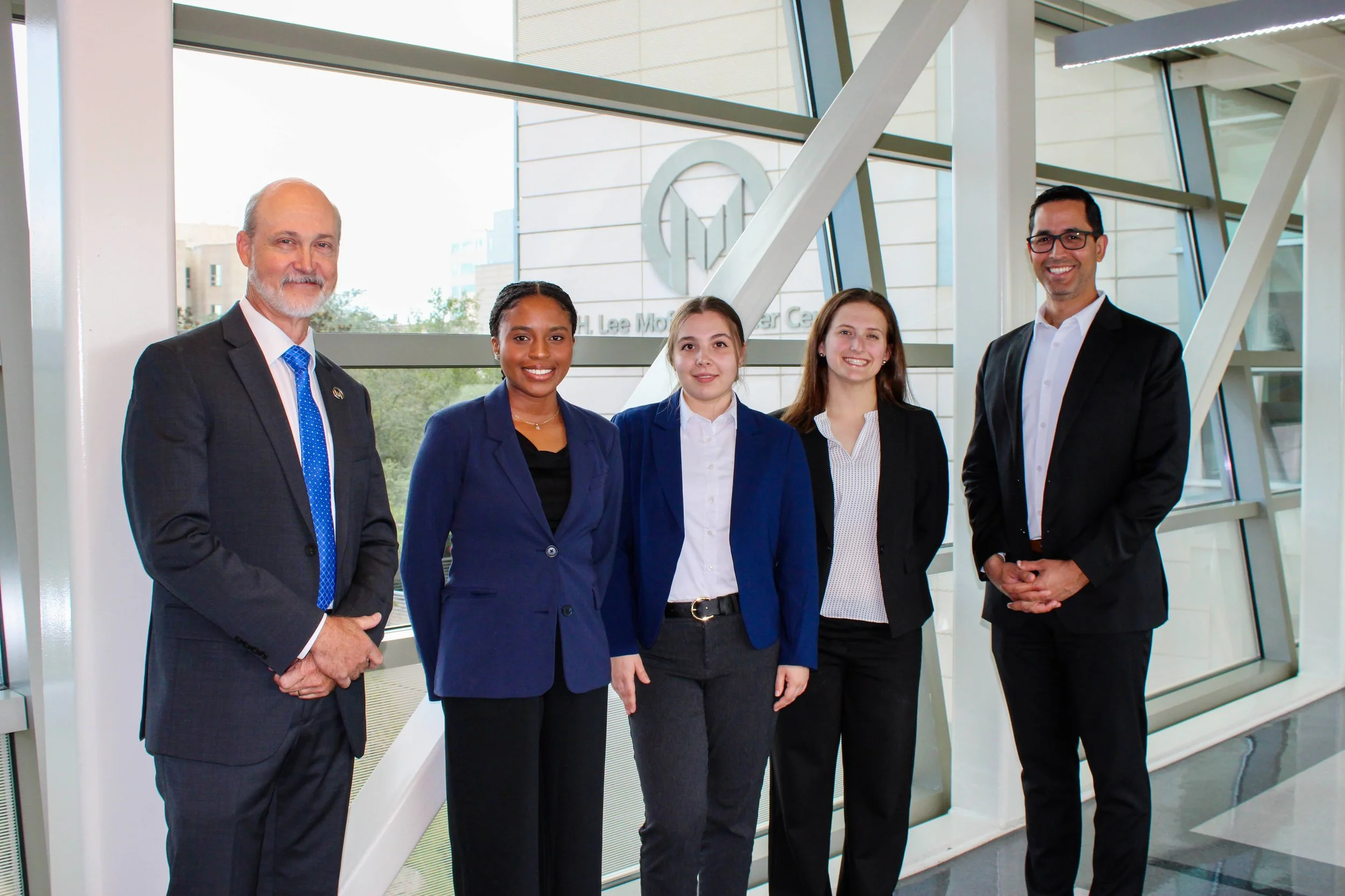
The fight against cancer depends not only on today's discoveries but also on the next generation of scientists, clinicians, and healthcare professionals who will continue advancing research and patient care. With the Glenn W. Bailey Foundation's support of the American Cancer Society's Cancer Research Training Programs, students across the country are gaining access to meaningful opportunities that help launch careers in cancer research, medicine, and STEM-related fields.
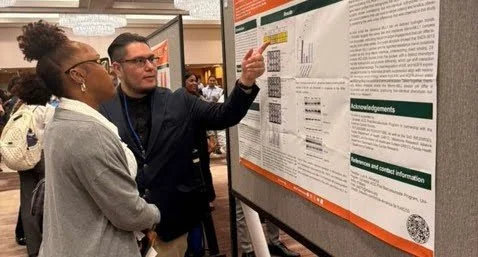
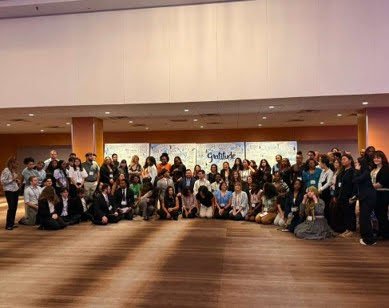
Designed to address the growing national shortage of oncology professionals, ACS Cancer Research Training Programs provide hands-on learning, mentorship, and career development opportunities for students at every stage of their educational journey. Through partnerships with more than 40 universities, hospitals, and research institutions nationwide, the program reaches hundreds of students annually from diverse backgrounds and communities.
The initiative includes three interconnected programs:
ACS Cancer Research High School Program
ACS Cancer Research Internship Program for undergraduate students
ACS Post-Baccalaureate Fellows Program
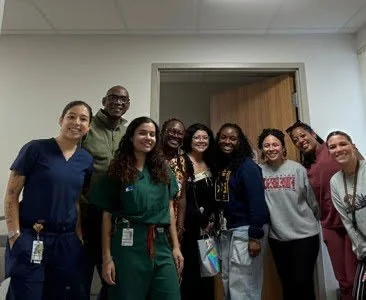
Together, these programs expose students to careers that are critical to the future of cancer care, including research, nursing, radiology, laboratory sciences, patient navigation, and clinical medicine.
In 2025 alone, the program served an impressive 697 trainees, including:
276 high school students at 15 institutions
301 undergraduate interns at 34 institutions
120 post-baccalaureate fellows at 30 institutions
The Foundation's support has also enabled an innovative physician-scientist pilot program at four leading institutions: the Medical College of Wisconsin, Memorial Sloan Kettering Cancer Center, the University of Pennsylvania, and Vanderbilt University Medical Center. The initiative provides medical students with year-long, mentored cancer research experiences that combine scientific investigation, professional development, and leadership training.
One participant, University of Pennsylvania medical student Emily Wu, is conducting research focused on how brain tumors affect the immune system under the mentorship of Dr. Nduka Amankulor. Her work explores the role of exosomes in glioma, contributing to a growing body of knowledge that may one day improve outcomes for patients facing these challenging diagnoses.
The importance of programs like these has become even more apparent as federal research training opportunities have faced uncertainty. Recent disruptions to National Institutes of Health internship and post-baccalaureate programs underscore the critical role nonprofit organizations play in supporting the future STEM workforce.
By investing in education, mentorship, and research experiences, the Glenn W. Bailey Foundation is helping ensure that tomorrow's cancer researchers, clinicians, and healthcare professionals have the tools and opportunities needed to make a lasting impact.
This partnership represents more than support for STEM education—it is an investment in innovation, discovery, and hope for future generations. As these students advance in their careers, their work will help shape the future of cancer prevention, treatment, survivorship, and ultimately, the search for cures.