Building a Pathway to STEM
Boolean Girl Brings Hands-On Coding and Engineering to Montgomery County Students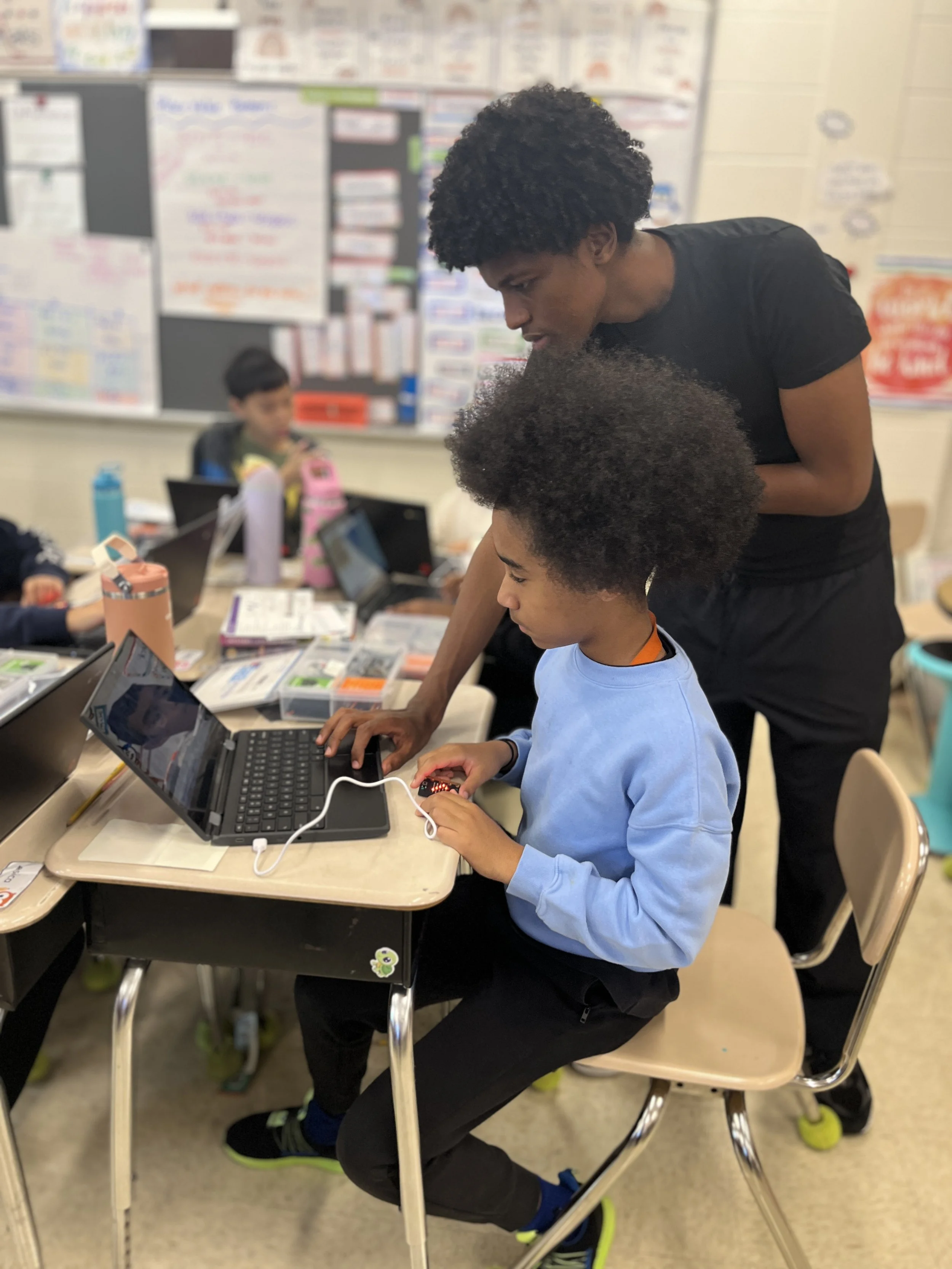
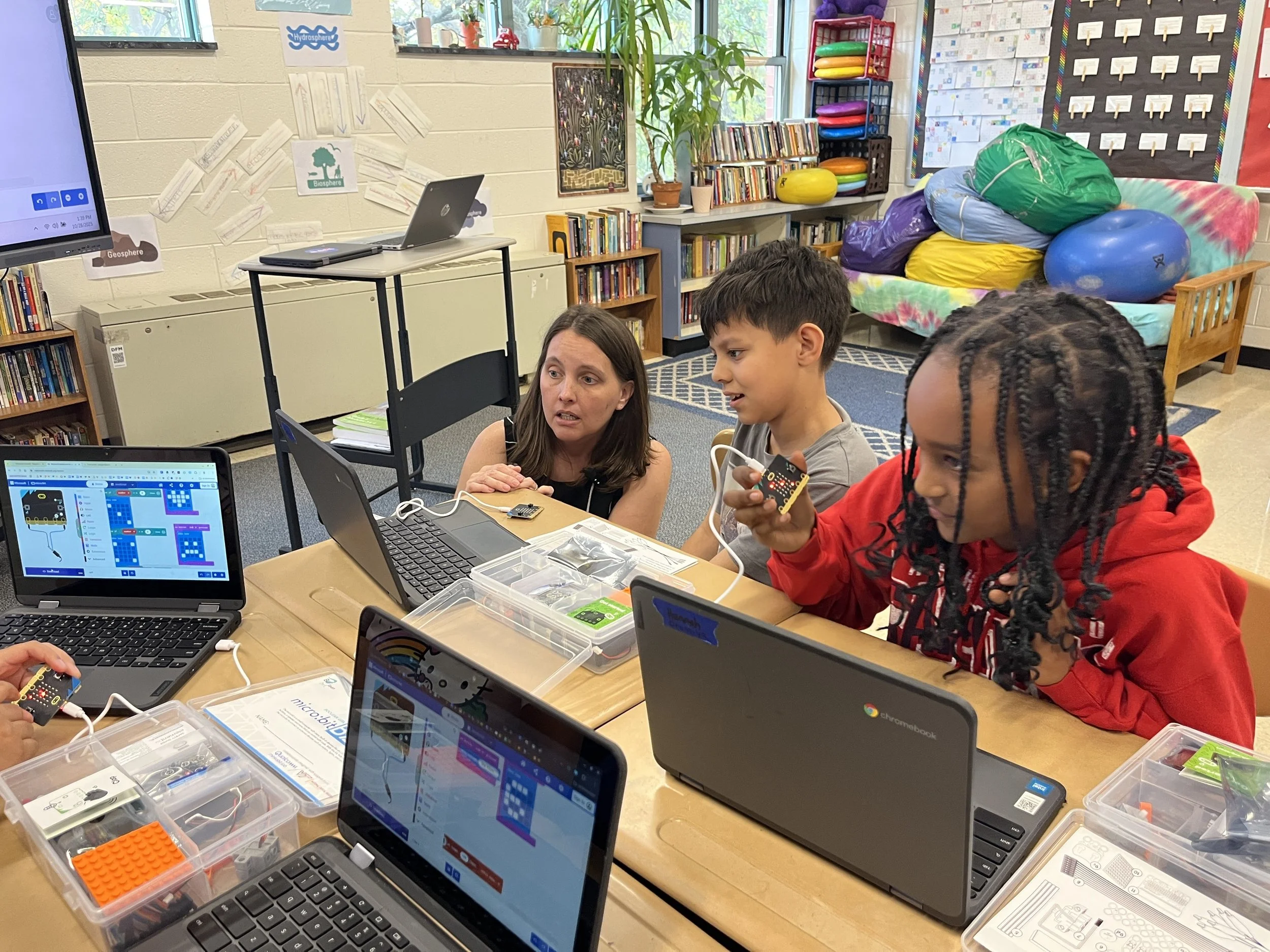
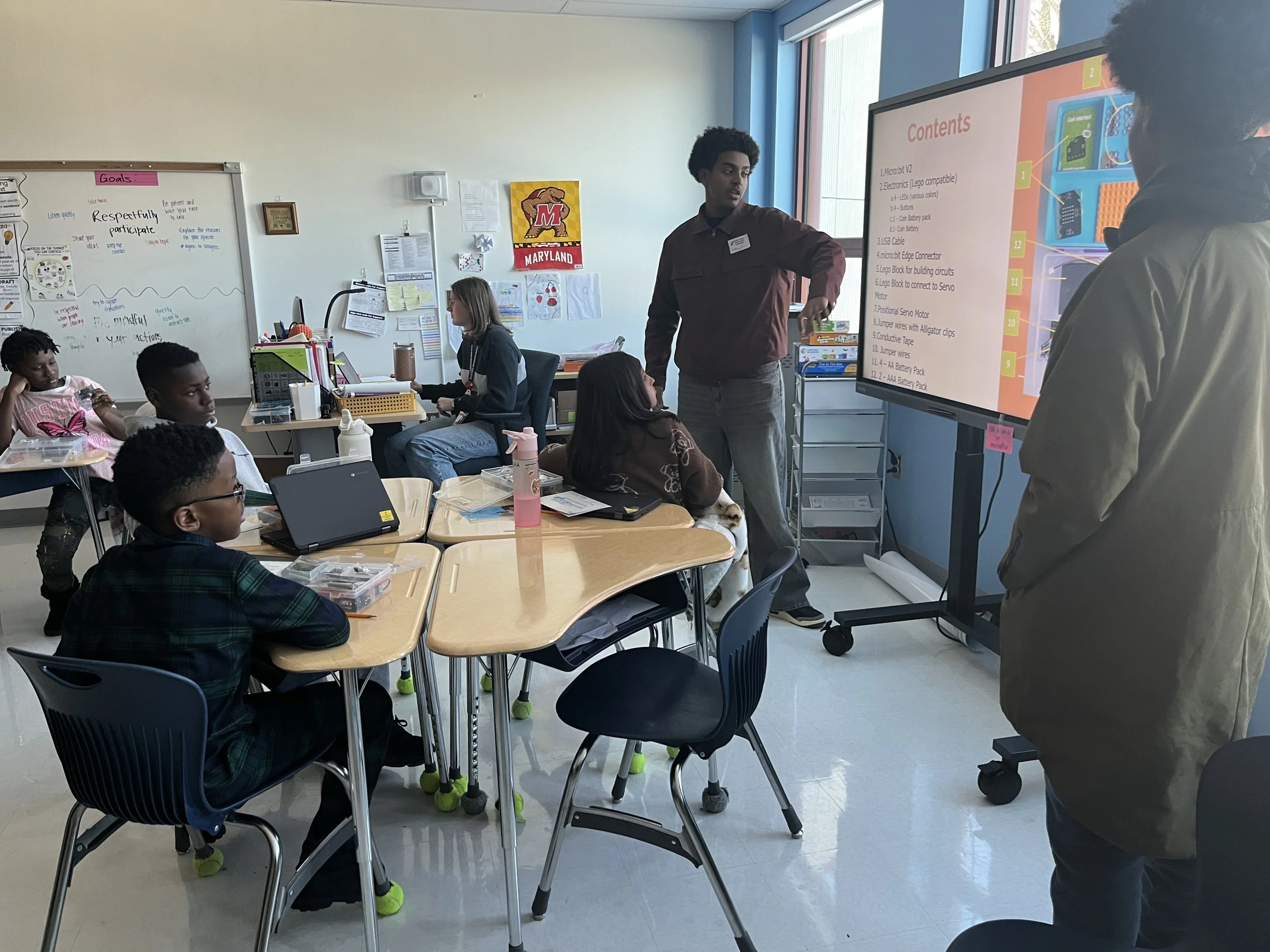
With support from the Glenn W. Bailey Foundation, Boolean Girl is helping young students discover that coding, engineering, and technology aren’t just subjects to learn—they’re tools they can use to create, experiment, and imagine what’s possible.
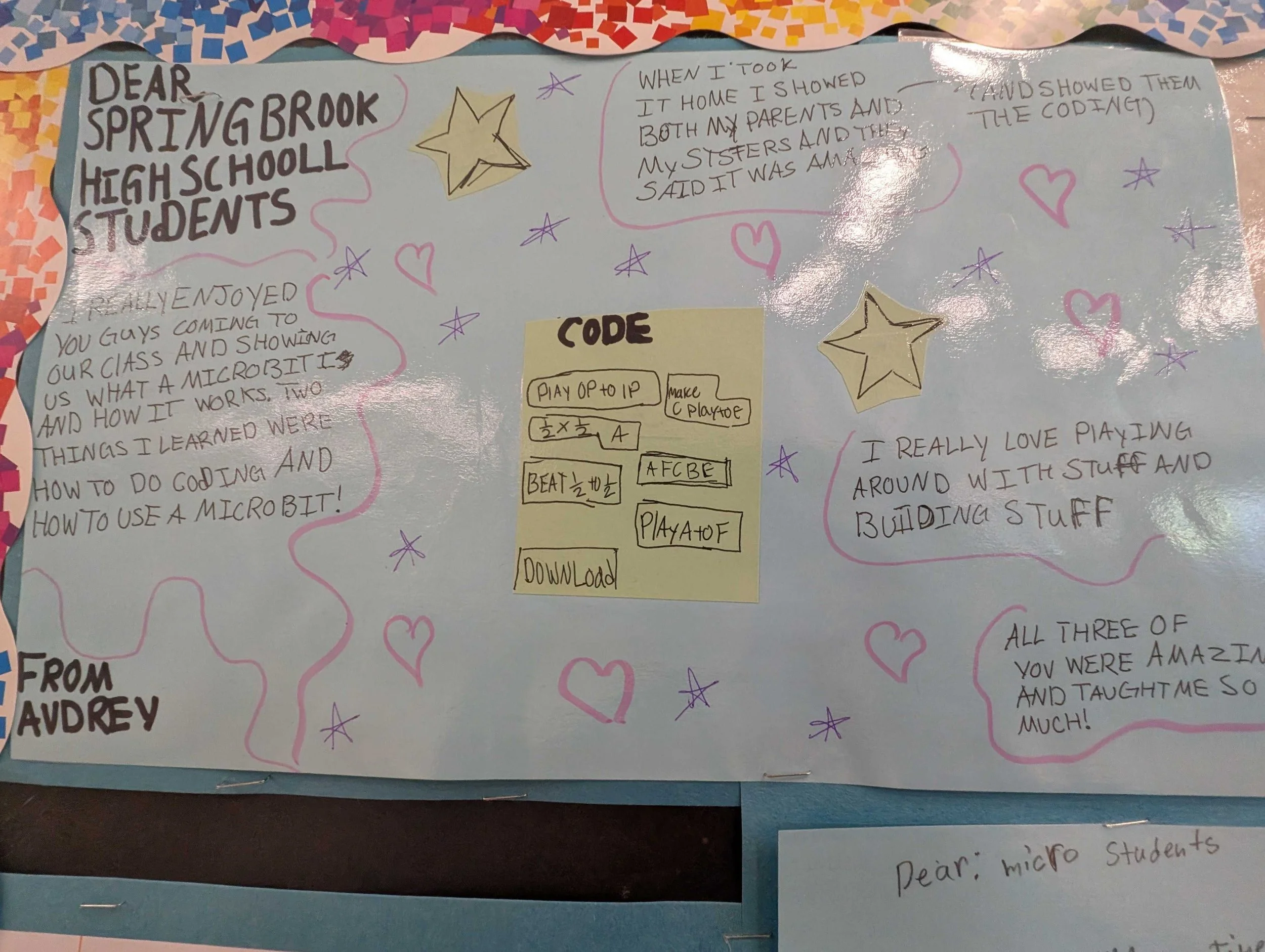
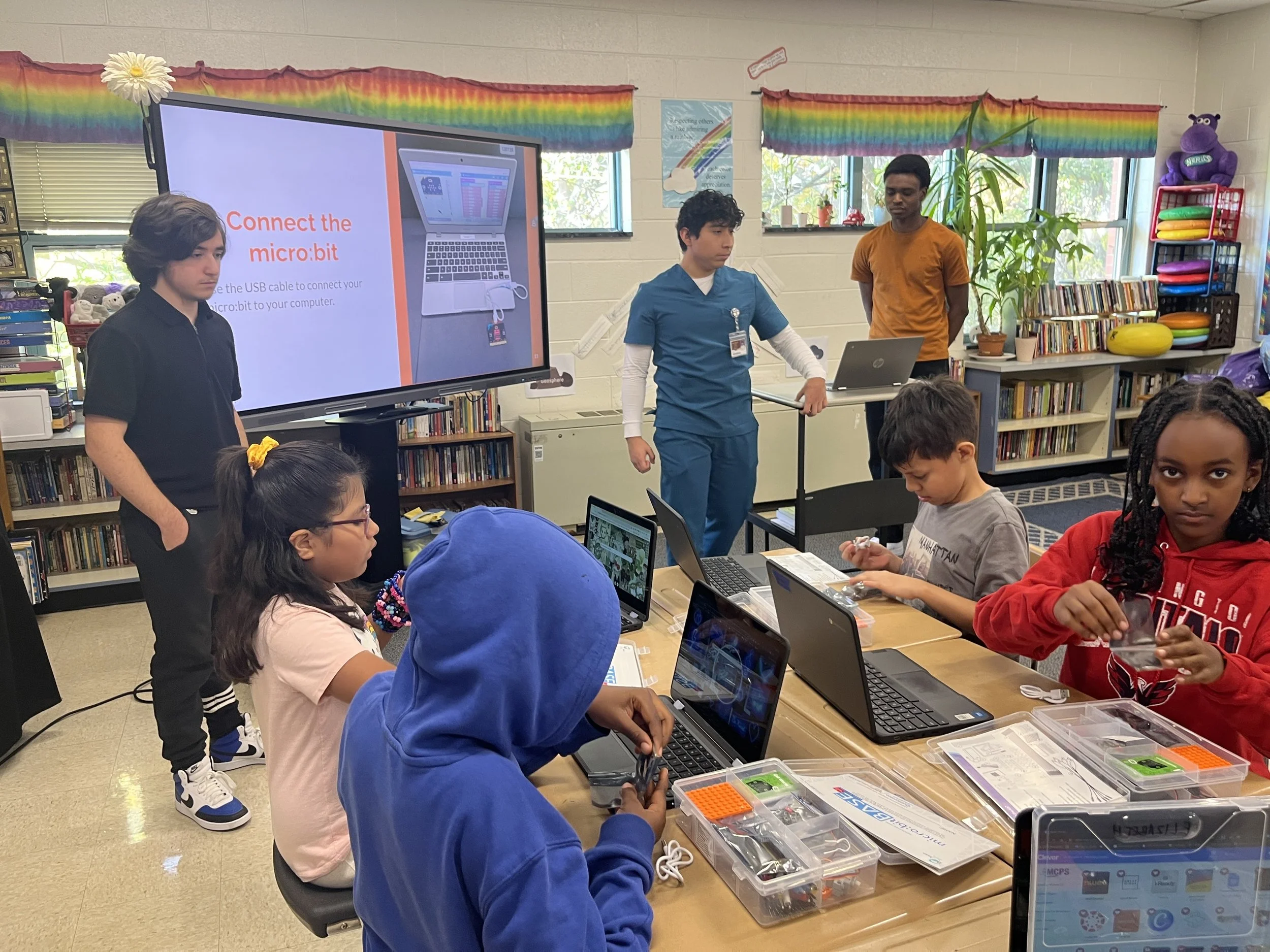
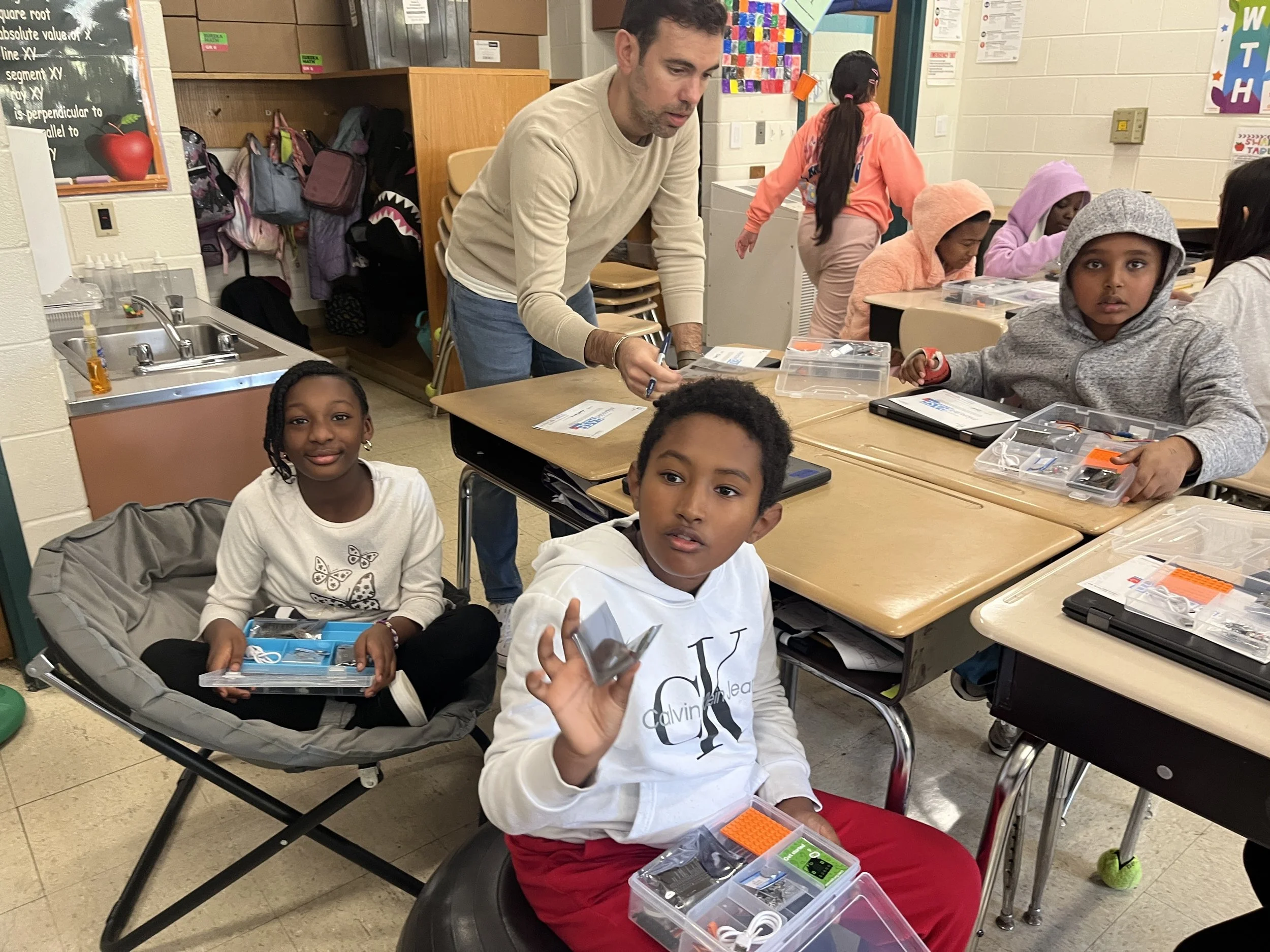
Through its Micro:bit for All program, Boolean Girl brought hands-on STEM learning directly to fifth-grade students at five elementary schools in Montgomery County, Maryland. During the school year, 439 students had the opportunity to learn coding while designing, building, and experimenting with micro—credit-card-sized computers that allow students to connect software and hardware to create working inventions.
An especially meaningful part of the program was the involvement of 48 local high school students, who served as Micro ambassadors and led coding and engineering sessions for the younger students. In addition to providing instruction, these high school mentors became relatable role models, helping elementary students see that coding and engineering are skills they, too, can learn and master.
Expanding Access to STEM
Micro:bit for All is designed to address persistent gender- and income-based gaps in access to STEM opportunities. By bringing high-quality computer science and engineering experiences directly into schools serving underserved communities, Boolean Girl gives students the chance to do more than simply learn about technology—they get to use it.
That hands-on experience is making an impact. In post-program surveys, students rated the program 4.1 out of 5, and more than half reported that the experience positively changed how they felt about potentially pursuing a job involving computers in the future.
Learning That Continues Beyond the Classroom
The impact of Micro:bit for All doesn’t end when a classroom session is over. Micro kits remain at participating schools, allowing teachers to incorporate the technology into other areas of their curriculum.
One teacher, for example, developed a “Sat Cube” unit, using micro to simulate experiments that could be conducted in space. Teachers also reported feeling more confident integrating STEM concepts into their existing lessons rather than treating STEM as a separate subject.
At the end of the school year, students are able to take their micro kits home, giving them the opportunity to continue coding, building, and experimenting independently.
Creating a Lasting STEM Pathway
Micro:bit for All is also part of a larger continuum of Boolean Girl programming in the Silver Spring area. Students can first encounter coding and engineering at school, continue developing their skills through Boolean Girl’s Saturday Clubhouse, and deepen their knowledge through Summer Camp.
This continuity is intentional. Boolean Girl aims to provide students with four or more STEM learning experiences each year, with its curriculum designed to build progressively as students participate in additional programs.
The benefits extend to the high school ambassadors as well. By teaching and mentoring younger students, they develop valuable leadership, communication, and mentoring skills while encouraging the next generation of STEM learners.
Through Micro:bit for All, the Glenn W. Bailey Foundation’s grant supported far more than a series of coding lessons. It helped Boolean Girl expand access to STEM, strengthen teacher capacity, develop young leaders, and create a sustainable pathway for students to continue exploring technology and engineering both inside and outside the classroom.
We are proud to support Boolean Girl’s work to ensure that more young people have the opportunity to discover their abilities, build confidence, and envision themselves as the scientists, engineers, coders, and innovators of the future.